
Brain Specialist Near Wakad: What Neurological Symptoms Need Neurosurgical Evaluation?
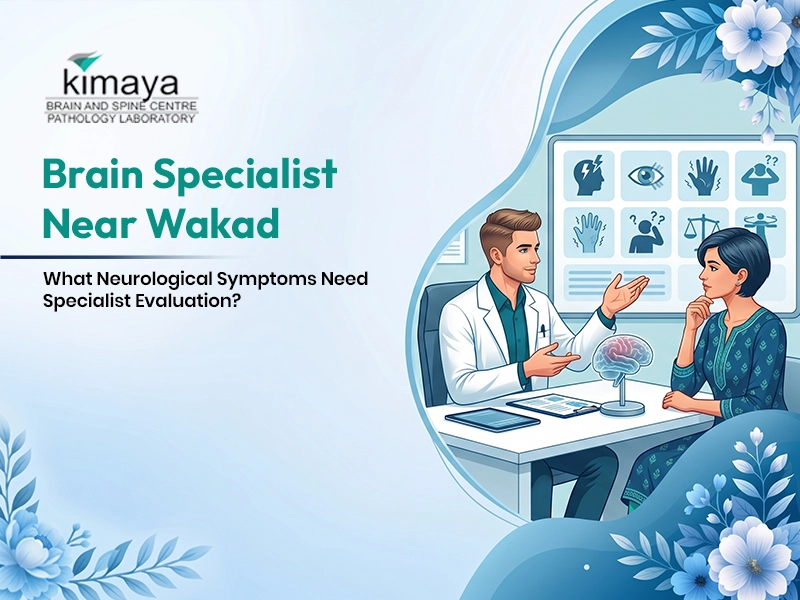
Neurological symptoms can sometimes be related to conditions affecting the brain, spine or nerves. While many symptoms may have non-surgical causes, certain persistent, progressive or concerning symptoms may require evaluation by a neurosurgeon.
For patients living in Wakad and nearby areas of Pune and Pimpri-Chinchwad, access to a qualified neurosurgeon can be particularly useful when symptoms may be related to a structural problem involving the brain or spine, or when surgical treatment needs to be considered.
When searching for a Brain Specialist Near Wakad, patients should consider the doctor’s qualifications, specialist neurosurgical training, clinical experience and the types of brain and spine conditions they manage.
Dr. Nihar S. Ingale, MBBS, DNB – Neurosurgery, is a senior consultant neurosurgeon providing brain and spine-focused care to patients from Wakad, Hinjewadi, Tathawade, Punawale and surrounding PCMC areas through Kimaya Brain & Spine Center.
What Does a Neurosurgeon Do?
A neurosurgeon is a specialist trained to evaluate and manage conditions involving the brain, spine, spinal cord and nerves, including conditions for which surgical treatment may be appropriate.
Neurosurgical care is not limited to surgery. Depending on the diagnosis, a neurosurgeon may recommend observation, medication, physiotherapy, rehabilitation, further investigations or surgery.
A consultation generally begins with a detailed review of symptoms and medical history, followed by a neurological and physical examination. Depending on the clinical findings, investigations such as MRI, CT or other diagnostic tests may be recommended.
The appropriate treatment depends on the individual’s condition, symptoms, examination findings and investigation results.
Which Symptoms May Need Neurosurgical Evaluation?
Not every headache, episode of dizziness or back pain requires a neurosurgical consultation. However, certain symptoms may warrant evaluation by a neurosurgeon, particularly when they are persistent, progressive or associated with neurological changes.
1. Persistent or Progressively Worsening Headaches
Most headaches are not caused by a structural brain problem. However, headaches that are new, persistent, progressively worsening or significantly different from a person’s usual pattern may require medical assessment.
A neurosurgical evaluation may be appropriate when headaches are associated with symptoms such as:
-
Recurrent vomiting
-
Seizures
-
Weakness or numbness
-
Changes in vision
-
Difficulty with balance
-
Speech difficulties
-
Changes in behaviour or alertness
The presence of a headache alone does not indicate a brain tumour or another serious brain condition. A specialist determines whether further investigation is necessary based on the patient’s symptoms and examination.
2. Seizures and New-Onset Seizures
Seizures can involve abnormal movements, loss of awareness, unusual sensations or temporary confusion.
A first-time seizure requires prompt medical evaluation to identify the possible cause. If imaging reveals a structural abnormality involving the brain, neurosurgical assessment may be required.
Conditions such as certain brain tumours, vascular abnormalities or other structural brain problems may require neurosurgical management depending on the diagnosis.
A new seizure can also be a medical emergency, particularly when it is prolonged, repeated or associated with other serious symptoms.
3. Sudden Weakness or Numbness
Sudden weakness or numbness, especially on one side of the body, can be a sign of stroke or another neurological emergency.
Other warning signs may include:
-
Sudden difficulty speaking
-
Facial weakness
-
Sudden vision changes
-
Difficulty walking
-
Loss of coordination
-
Severe confusion
Suspected stroke requires immediate emergency medical care.
Patients should not wait for a routine neurosurgical appointment when these symptoms occur.
4. Head Injury and Brain Trauma
Head injuries may occur following road accidents, falls, sports injuries or other trauma.
Some injuries may be minor, but symptoms such as:
-
Loss of consciousness
-
Repeated vomiting
-
Increasing headache
-
Seizures
-
Confusion
-
Unusual drowsiness
-
Weakness or difficulty walking
require urgent medical assessment.
Depending on the nature of the injury, brain imaging and neurosurgical evaluation may be necessary.
5. Brain Tumours and Structural Brain Conditions
Brain tumours and other structural brain conditions can sometimes present with:
-
Persistent or worsening headaches
-
Seizures
-
Weakness
-
Speech difficulties
-
Vision changes
-
Balance problems
-
Changes in behaviour or cognitive function
These symptoms can also occur with many other medical conditions and do not automatically mean that a person has a brain tumour.
If imaging identifies a structural brain lesion, a neurosurgeon can evaluate the condition and discuss appropriate management options.
Treatment may include observation, medication, radiation-based treatment, surgery or a combination of approaches depending on the diagnosis.
6. Hydrocephalus and Conditions Affecting Brain Fluid
Hydrocephalus occurs when there is an abnormal accumulation of cerebrospinal fluid within the brain’s ventricular system.
Symptoms can vary depending on the type and cause and may include:
-
Headaches
-
Nausea or vomiting
-
Balance or walking difficulties
-
Changes in alertness
-
Memory or cognitive changes
-
Vision-related symptoms
When hydrocephalus or another condition affecting cerebrospinal fluid is suspected, specialist assessment and appropriate imaging may be required.
7. Persistent Back or Neck Pain With Neurological Symptoms
Some patients searching for a brain specialist may actually have a condition involving the spine or nerves.
Back or neck problems may cause:
-
Pain radiating into an arm or leg
-
Numbness
-
Tingling
-
Muscle weakness
-
Difficulty walking
-
Changes in sensation
Conditions such as slipped discs, spinal stenosis and nerve compression may require neurosurgical evaluation when symptoms are persistent, severe or associated with neurological deficits.
Treatment is not always surgical. Depending on the diagnosis, management may include medication, physiotherapy, observation or surgery when medically appropriate.
8. Spinal Cord and Nerve Compression
Compression of the spinal cord or nerves can sometimes cause progressive neurological symptoms.
Patients may experience weakness, numbness, difficulty walking or changes in bladder or bowel function depending on the location and severity of the compression.
Progressive neurological weakness or significant changes in function should be evaluated promptly.
A neurosurgeon can determine whether imaging and further treatment are necessary.
When Should You See a Neurosurgeon Near Wakad?
A neurosurgical consultation may be appropriate when symptoms are persistent, progressive, unexplained or associated with a structural brain or spine condition.
Consider discussing your symptoms with a neurosurgeon if you experience:
- Persistent or progressively worsening headaches
- A new seizure or recurrent unexplained seizures
- Persistent weakness or numbness
- Progressive difficulty walking or maintaining balance
- Neurological symptoms following a significant head injury
- Persistent neck or back pain associated with weakness or numbness
- Radiating pain with neurological deficits
- A known brain, spine or spinal cord abnormality
- Symptoms that continue despite initial treatment
The need for neurosurgical evaluation depends on the individual’s symptoms, clinical examination and diagnosis.
When Is Neurological Care an Emergency?
Certain symptoms require immediate medical attention rather than a routine appointment.
Seek emergency medical care immediately for symptoms such as:
- Sudden weakness or numbness, particularly on one side of the body
- Sudden difficulty speaking or understanding speech
- Sudden loss of vision
- A sudden, extremely severe headache
- Loss of consciousness
- A new seizure
- Severe confusion
- Significant neurological symptoms following a head injury
These symptoms can sometimes indicate a medical emergency such as stroke or serious head injury. Do not delay emergency care while trying to arrange a routine consultation.
When Is a Neurological Symptom an Emergency?
Certain symptoms require immediate emergency medical attention rather than a routine appointment with a neurosurgeon.
Seek emergency care immediately for:
- Sudden weakness or numbness, especially on one side
- Sudden difficulty speaking or understanding speech
- Sudden loss or major change in vision
- A sudden, extremely severe headache
- Loss of consciousness
- A new or prolonged seizure
- Severe confusion
- Significant neurological symptoms following a head injury
These symptoms can sometimes indicate serious conditions such as stroke, brain injury or other neurological emergencies.
Do not delay emergency treatment while trying to arrange a specialist consultation.
Does Seeing a Neurosurgeon Mean You Need Surgery?
No.
A common misconception is that visiting a neurosurgeon automatically means that surgery will be recommended.
In reality, neurosurgeons also evaluate patients who may be appropriate for non-surgical management or observation.
Depending on the diagnosis, treatment may include:
- Medication
- Physiotherapy
- Rehabilitation
- Observation and follow-up
- Lifestyle modifications
- Pain management
- Other non-surgical treatments
Surgery is considered when it is medically appropriate based on the patient’s condition, symptoms, examination and investigations.
Choosing a Neurosurgeon Near Wakad
Location can be an important practical consideration for patients from Wakad and surrounding areas, particularly when ongoing consultations, investigations or follow-up are required.
However, patients should consider more than proximity when choosing a neurosurgeon.
Neurosurgical Qualifications
Check whether the doctor has appropriate postgraduate training and qualifications in neurosurgery.
Relevant Clinical Experience
Experience in managing the specific type of brain, spine or nerve-related condition can be an important consideration.
Access to Appropriate Facilities
Some neurosurgical conditions require MRI, CT, hospital admission, intensive care or surgical facilities. Patients should understand where these services are available if they become necessary.
Clear Explanation of Treatment Options
A specialist should explain the diagnosis, investigations and available treatment options in a way that allows the patient and family to make informed decisions.
Follow-Up Care
Some brain and spine conditions require ongoing monitoring. Convenient access to the treating neurosurgeon can therefore be helpful.
Neurosurgical Care for Patients From Wakad and Nearby Areas
Wakad is close to several residential and developing areas of Pune and Pimpri-Chinchwad.
Patients may seek specialist care from:
- Wakad
- Tathawade
- Hinjewadi
- Punawale
- Thergaon
- Rahatani
- Pimple Saudagar
- Pimple Gurav
- Chinchwad
- Other nearby PCMC areas
For patients requiring specialist brain or spine evaluation, having access to a neurosurgeon within the wider PCMC region can make consultations and follow-up more convenient.
Dr. Nihar S. Ingale is an MBBS, DNB – Neurosurgery qualified senior consultant neurosurgeon with more than 10 years of experience.
His professional training includes General Surgery at Ruby Hall Clinic, Pune, followed by specialized neurosurgical training at CARE Hospitals, Hyderabad.
Through Kimaya Brain & Spine Center, Dr. Nihar Ingale provides brain, spine and neurosurgical care for patients from Pune and the PCMC region.
Why Consider Dr. Nihar Ingale for Brain and Spine Care?
Dr. Nihar S. Ingale is a qualified neurosurgeon with DNB Neurosurgery training and more than 10 years of experience.
His professional background includes:
- MBBS and DNB – Neurosurgery qualifications
- General Surgery training at Ruby Hall Clinic, Pune
- Specialized neurosurgical training at CARE Hospitals, Hyderabad
- Experience as a consultant neurosurgeon in Pune and PCMC
- Focus on brain, spine and neurosurgical conditions
- Participation in professional conferences, CMEs, research activities and public awareness programs
The appropriate treatment for each patient depends on the diagnosis and clinical assessment.
When to Seek Neurosurgical Help
Persistent, progressive or unexplained neurological symptoms should not be ignored.
A neurosurgical consultation may help determine whether symptoms are related to a condition involving the brain, spine, spinal cord or nerves and whether further investigation or treatment is required.
For sudden weakness, difficulty speaking, loss of consciousness, a new seizure, sudden vision changes or other potentially serious neurological symptoms, seek emergency medical care immediately.
For non-emergency concerns, patients from Wakad and nearby Pune and PCMC areas can consult a qualified neurosurgeon for appropriate evaluation and guidance.

Written By
Dr. Nihar ingale
MBBS, DNB – Neuro surgeon
Have Questions About Our Services?
From neurology and neurosurgery to physiotherapy, spine care, diagnostics, and rehabilitation, our team is here to help you find the right care for your needs.
Looking for a Brain Specialist in Kalewadi?
If you or a family member has a persistent brain, spine or nerve-related concern, specialist evaluation can help determine the possible cause and appropriate next step.
Dr. Nihar S. Ingale – MBBS, DNB Neurosurgery
Senior Consultant Neurosurgeon | Brain & Spine Specialist
Kimaya Brain & Spine Center
Main Road, Opposite D-Mart, Shriram Colony, Kalewadi, Pimpri-Chinchwad, Maharashtra 411017
📞 Call Now: +91 90283 71417
Patients are advised to confirm consultation timings and availability before visiting.
Frequently Asked Questions
Who is a Brain Specialist Near Wakad?
“Brain specialist” is a commonly used term by patients searching for doctors who evaluate conditions affecting the brain and nervous system.
For conditions that may require neurosurgical assessment or treatment, a qualified neurosurgeon can evaluate the patient and determine whether further investigation, non-surgical treatment or surgery is appropriate.
Dr. Nihar S. Ingale is a DNB Neurosurgery-qualified senior consultant neurosurgeon providing brain and spine-focused care in the Pune and PCMC region.
When should I see a neurosurgeon?
You may need neurosurgical evaluation for persistent or progressive symptoms such as recurrent seizures, persistent neurological weakness or numbness, symptoms following significant head injury, known brain or spine abnormalities, or back and neck problems associated with neurological deficits.
Sudden neurological symptoms require emergency medical care.
Does every brain problem require surgery?
No.
Many brain and spine conditions can initially be managed without surgery. Treatment depends on the underlying diagnosis, symptoms, examination and investigations.
Can a neurosurgeon treat spine problems?
Yes.
Neurosurgeons are trained to evaluate and manage conditions involving the spine, spinal cord and nerves. These may include slipped discs, spinal stenosis, nerve compression and other structural spine conditions.
Surgery is recommended only when medically appropriate.
Can a neurosurgeon evaluate headaches?
A neurosurgeon can evaluate headaches when there are features suggesting a possible structural brain or neurosurgical problem.
Most headaches are not caused by conditions requiring neurosurgery. The need for specialist investigation depends on the patient’s symptoms and clinical findings.
Where can patients from Wakad seek neurosurgical consultation?
Patients from Wakad and surrounding areas can consider consultation with Dr. Nihar S. Ingale at Kimaya Brain & Spine Center in Kalewadi, Pimpri-Chinchwad.
Patients should confirm the current consultation location, timings and appointment availability before travelling.