
Brain Specialist Near Pimple Gurav: When Should Neurological Symptoms Be Evaluated?
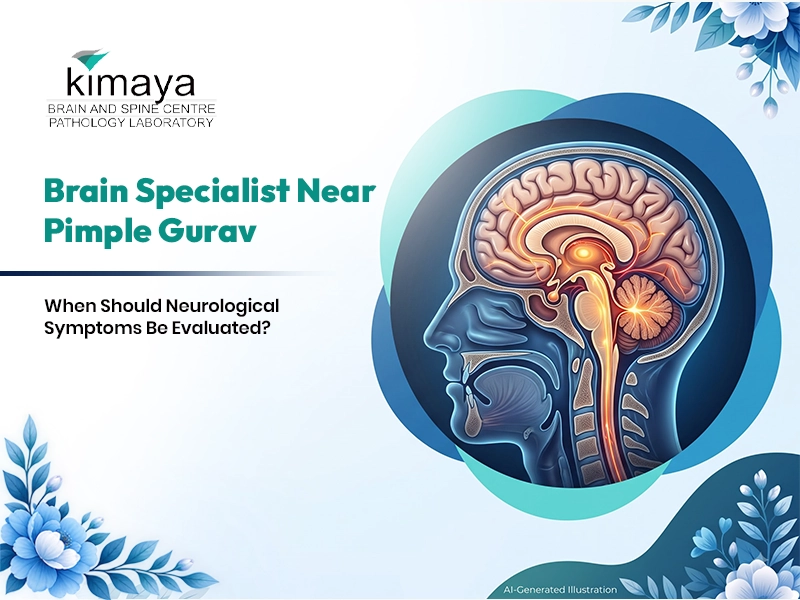
Neurological symptoms can sometimes be difficult to understand. A headache may have a relatively common cause, while persistent weakness, numbness, seizures, or changes in speech and balance may require medical evaluation.
For people living in Pimple Gurav, Rahatani, Pimple Saudagar, Wakad, Sangvi, and surrounding Pimpri-Chinchwad areas, understanding which neurological symptoms need attention can help them seek appropriate medical care.
Neurological conditions may affect the brain, spinal cord, or peripheral nerves. Their symptoms vary depending on the underlying cause, severity, and affected part of the nervous system.
This article explains common neurological symptoms, when medical assessment may be necessary, and which warning signs require emergency attention.
What Are Neurological Symptoms?
Neurological symptoms are changes in normal body functions that may occur due to problems affecting the brain, spinal cord, or nerves.
Common symptoms include:
- Persistent or unusual headaches.
- Dizziness or balance difficulties.
- Numbness or tingling.
- Muscle weakness.
- Seizures.
- Changes in speech or vision.
- Difficulty walking.
- Memory or cognitive changes.
- Loss of coordination.
These symptoms can have several possible causes. Not every neurological symptom indicates a serious brain or spinal condition, and not every condition requires surgery.
A medical evaluation helps identify the possible cause and determine whether further investigations are necessary.
When Should Neurological Symptoms Be Evaluated?
Some symptoms may be temporary, while persistent, unexplained, or progressive symptoms may require medical assessment.
1. Persistent or Unusual Headaches
Headaches are common and can occur due to migraine, tension, dehydration, sleep disturbances, and other medical conditions.
Medical evaluation may be appropriate when a headache is:
-
New or significantly different from previous headaches.
-
Persistent or progressively worsening.
-
Associated with repeated vomiting.
-
Accompanied by seizures.
-
Associated with weakness or numbness.
-
Accompanied by vision or speech changes.
A headache alone does not necessarily indicate a brain tumour or another serious condition. Further investigations depend on the patient’s symptoms and clinical findings.
2. Weakness or Numbness
Weakness and numbness can occur due to several neurological and non-neurological conditions.
For example, nerve compression in the spine may cause symptoms affecting an arm or leg. Other neurological conditions can also affect muscle strength and sensation.
Persistent or progressive weakness requires medical assessment.
Sudden weakness or numbness, particularly on one side of the body, may indicate a stroke and requires immediate emergency care.
3. Seizures
Seizures occur due to abnormal electrical activity in the brain. They may involve involuntary movements, temporary loss of awareness, unusual sensations, or confusion.
A first-time seizure requires medical evaluation to identify its possible cause.
Depending on the clinical findings, investigations may include brain imaging or an electroencephalogram (EEG).
A seizure lasting five minutes or longer, or repeated seizures without recovery of consciousness, requires emergency medical attention.
4. Changes in Speech or Understanding
Sudden difficulty speaking, finding words, or understanding speech can be a warning sign of a serious neurological condition.
These symptoms are particularly concerning when accompanied by facial weakness, arm or leg weakness, or confusion.
Sudden speech difficulties require immediate emergency assessment rather than a routine specialist appointment.
5. Changes in Vision or Balance
Certain neurological conditions can affect vision, coordination, and balance.
Symptoms may include:
-
Sudden vision loss.
-
Double vision.
-
Difficulty walking.
-
Repeated loss of balance.
-
New coordination problems.
-
Dizziness accompanied by other neurological symptoms.
These symptoms have different possible causes and require appropriate clinical assessment.
6. Head Injuries
Head injuries may occur following road accidents, falls, sports injuries, or other trauma.
Although some injuries are minor, certain symptoms require urgent medical evaluation:
-
Loss of consciousness.
-
Repeated vomiting.
-
Increasing headache.
-
Seizures.
-
Confusion.
-
Unusual drowsiness.
-
Weakness or difficulty walking.
Depending on the injury and examination findings, brain imaging or specialist assessment may be necessary.
7. Back or Neck Pain With Neurological Symptoms
Some neurological symptoms originate from the spine rather than the brain.
Conditions such as slipped discs, spinal stenosis, and nerve compression may cause:
-
Pain travelling into an arm or leg.
-
Numbness or tingling.
-
Muscle weakness.
-
Changes in sensation.
-
Difficulty walking.
Treatment depends on the underlying diagnosis and may include medication, physiotherapy, observation, or surgery in selected cases.
When Is a Neurological Problem an Emergency?
Certain symptoms require immediate emergency medical attention.
Seek emergency care if you experience:
- Sudden weakness or numbness, particularly on one side.
- Sudden difficulty speaking or understanding speech.
- Sudden major changes in vision.
- A sudden, extremely severe headache.
- Loss of consciousness.
- A new or prolonged seizure.
- Severe confusion.
- Significant neurological symptoms following a head injury.
These symptoms may indicate stroke, brain injury, or another serious neurological emergency.
Emergency treatment should not be delayed while arranging a routine consultation.
Does Consulting a Neurosurgeon Always Mean Surgery?
No. A neurosurgical consultation does not automatically mean that an operation will be recommended.
Many brain and spine conditions can be managed without surgery.
Depending on the diagnosis, treatment may involve:
- Observation and follow-up.
- Medication.
- Physiotherapy.
- Rehabilitation.
- Pain management.
- Additional investigations.
- Surgery when medically indicated.
Treatment decisions depend on the patient’s symptoms, examination findings, diagnosis, and investigation results.
How to Choose a Brain Specialist Near Pimple Gurav
When considering specialist evaluation, patients may look at several practical and professional factors.
Qualifications: Check the doctor’s recognized medical qualifications and specialist training.
Relevant experience: Consider whether the specialist evaluates conditions related to the symptoms being experienced.
Diagnostic facilities: Depending on the suspected condition, access to appropriate imaging and diagnostic facilities may be necessary.
Communication: Patients should be able to understand the suspected diagnosis, recommended investigations, and available treatment approaches.
Follow-up arrangements: Some neurological conditions require ongoing assessment, monitoring, or rehabilitation.
The appropriate specialist depends on the patient’s symptoms and suspected diagnosis. A neurologist and a neurosurgeon have different but sometimes complementary roles in neurological care.
Understanding Brain and Spine Care in Pimpri-Chinchwad
Pimple Gurav is surrounded by residential areas including Sangvi, Rahatani, Pimple Saudagar, Wakad, Kalewadi, Thergaon, and Chinchwad.
People experiencing persistent neurological symptoms may require assessment by a qualified medical practitioner. Depending on the clinical findings, referral to a neurologist, neurosurgeon, or another relevant specialist may be appropriate.
Recognizing concerning symptoms and seeking timely medical evaluation can help identify conditions requiring further investigation or treatment.
References and Medical Resources
- National Medical Commission (NMC), India – Professional ethics and conduct .
- World Health Organization – Health information .
- National Institute of Neurological Disorders and Stroke – Neurological conditions .
- NHS – Medical conditions and guidance .

MMC REGISTRATION NUMBER
2005/01/0366
Medical content reviewer: Dr. Nihar S. Ingale, MBBS, DNB – Neurosurgery
Have Questions About Our Services?
Medical Disclaimer
This article is intended for general educational and informational purposes only. It does not replace professional medical advice, diagnosis, or treatment. Consult a qualified medical practitioner for individual assessment. Seek immediate medical attention for sudden or severe neurological symptoms.
Frequently Asked Questions
When should I consult a brain specialist for headaches?
Consider medical evaluation when headaches are persistent, progressively worsening, unusual, or associated with vomiting, seizures, weakness, numbness, or vision changes. Sudden extremely severe headaches require emergency assessment.
What is the difference between a neurologist and a neurosurgeon?
Neurologists primarily diagnose and manage neurological conditions through non-surgical treatments. Neurosurgeons evaluate and manage conditions involving the brain, spine, spinal cord, and nerves, including conditions that may require surgery. Both specialists may collaborate in patient care.
Can nerve compression cause weakness and numbness?
Yes. Compression or irritation of a nerve can cause pain, tingling, numbness, and muscle weakness. Symptoms depend on the location and severity of nerve involvement.
Does every neurological symptom require an MRI?
No. MRI is recommended when clinically indicated, depending on the patient’s symptoms, medical history, and examination findings. Not every headache, episode of dizziness, or numbness requires brain imaging.