
Persistent Headaches: When Should You See a Brain Specialist?
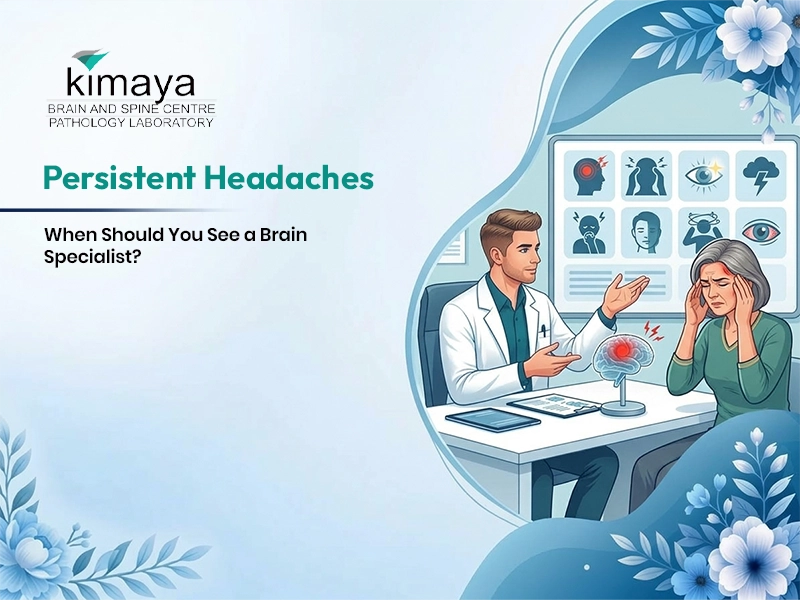
A headache is something most people experience occasionally. It may occur after a stressful day, lack of sleep, dehydration, prolonged screen use, or other common triggers. But when headaches become frequent, persistent, severe, or different from what you normally experience, they deserve proper medical attention.
Knowing when to consult a headache specialist or brain specialist can help identify the possible cause and ensure that appropriate treatment is started.
At Dr. Nihar Ingale – Brain & Spine Specialist, patients with persistent and recurring headaches can receive a structured neurological evaluation to understand their symptoms and determine the appropriate next steps.
What Is a Persistent Headache?
A persistent headache is one that continues to recur or lasts longer than expected. Some people experience headaches several times a week, while others may have headaches that gradually become more frequent or severe.
The pattern of the headache is important. A specialist may want to know:
- How often the headaches occur
- How long each episode lasts
- Where the pain is located
- Whether the pain is throbbing, pressing, sharp, or continuous
- Whether nausea, vomiting, dizziness, or visual symptoms occur
- Whether the headache is associated with weakness, numbness, or speech difficulties
- Whether painkillers provide relief
- Whether the headache pattern has recently changed
These details can help a doctor understand whether further neurological assessment is required.
When Should You See a Headache Specialist?
Not every headache requires a specialist consultation. However, you should consider seeing a headache specialist when headaches become frequent, interfere with your daily activities, or do not improve with appropriate routine measures.
A specialist consultation is particularly important when:
1. Your headaches are becoming more frequent
If occasional headaches are gradually becoming weekly or daily headaches, it is worth discussing the pattern with a doctor rather than repeatedly relying on pain medication.
2. Your headache pattern has changed
A new type of headache or a noticeable change in the intensity, frequency, or duration of an existing headache should be evaluated, particularly when the change is persistent.
3. Headaches interfere with everyday life
If headaches affect your work, sleep, concentration, exercise, or normal activities, professional evaluation can help identify potential triggers and treatment options.
4. Painkillers are no longer helping
Repeatedly taking pain medication without understanding why headaches are occurring may not address the underlying problem. Frequent use of some headache medicines can also contribute to medication-overuse headaches.
5. Headaches occur with neurological symptoms
Headache accompanied by symptoms such as weakness, numbness, difficulty speaking, confusion, fainting, seizures, or significant vision changes requires prompt medical assessment.
When Is a Headache an Emergency?
Some headaches require urgent medical attention.
Seek emergency care for a sudden, extremely severe headache, particularly if it reaches maximum intensity very quickly or occurs with symptoms such as loss of consciousness, seizure, severe weakness, difficulty speaking, significant vision problems, fever with neck stiffness, or other serious neurological symptoms.
A sudden severe headache should not be self-treated at home.
What Does a Brain Specialist Do for Persistent Headaches?
A brain specialist or neurospecialist begins by understanding the patient’s symptoms and medical history. The evaluation may include a neurological examination and, when clinically appropriate, diagnostic investigations.
Depending on the individual situation, the doctor may consider conditions such as migraine, tension-type headache, medication-overuse headache, or other neurological causes.
Not every headache requires a scan. The need for investigations depends on the patient’s symptoms, examination findings, medical history, and clinical assessment.
Persistent Headache Treatment: Why the Cause Matters
Effective persistent headache treatment depends on identifying the type and possible cause of the headache.
Treatment may involve a combination of:
- Lifestyle and sleep-related changes
- Identification and management of headache triggers
- Appropriate medication
- Preventive treatment for recurrent headaches
- Management of an underlying neurological condition when identified
- Further investigations when clinically indicated
The goal is not simply to suppress the pain temporarily but to understand the headache pattern and develop an appropriate treatment approach.
Why Choose Dr. Nihar Ingale for Brain and Headache Evaluation?
Dr. Nihar Ingale—Brain & Spine Specialist—focuses on neurological and neurosurgical evaluation, helping patients understand symptoms affecting the brain and nervous system.
For patients experiencing persistent or recurrent headaches, a consultation can help determine whether the symptoms require neurological evaluation, further investigation, or a specific treatment plan.
The name Dr. Nihar Ingale represents a patient-focused approach to brain and spine care, with an emphasis on understanding symptoms before deciding on the appropriate course of treatment.

Written By
Dr. Nihar ingale
MBBS, DNB – Neuro surgeon
Have Questions About Our Services?
From neurology and neurosurgery to physiotherapy, spine care, diagnostics, and rehabilitation, our team is here to help you find the right care for your needs.
Don't Ignore a Changing Headache Pattern
Most headaches are not caused by serious conditions. However, persistent, recurrent, or changing headaches should not simply be ignored—especially when they begin affecting your quality of life or occur with neurological symptoms.
If you are experiencing frequent or persistent headaches and are unsure whether you need specialist evaluation, consulting a brain specialist or headache specialist can be an appropriate next step.
Dr. Nihar Ingale—Brain & Spine Specialist—provides neurological and neurosurgical evaluation for patients seeking professional assessment of persistent headaches and related brain and nervous system symptoms.
Dr. Nihar S. Ingale – MBBS, DNB, Neurosurgery,
Senior Consultant, Neurosurgeon | Brain & Spine Specialist,
Kimaya Brain & Spine Center,
Main Road, Opposite D-Mart, Shriram Colony, Kalewadi, Pimpri-Chinchwad, Maharashtra 411017
📞 Call Now: +91 90283 71417
Book a consultation with Dr. Nihar Ingale to discuss persistent or recurring headaches and determine the appropriate next step for your care.
Frequently Asked Questions
When should I see a brain specialist for persistent headaches?
If headaches are frequent, worsening, unusually severe, or interfering with your daily activities, it’s advisable to consult a brain specialist for proper evaluation and diagnosis.
What headache symptoms should not be ignored?
Seek prompt medical attention if a headache occurs suddenly and severely, follows a head injury, or is accompanied by weakness, numbness, confusion, vision problems, seizures, fainting, or difficulty speaking.
Can persistent headaches be related to a brain or neurological condition?
Yes. While many headaches have common causes such as migraine, stress, or lack of sleep, persistent or unusual headaches can sometimes be associated with neurological conditions and should be evaluated by a qualified specialist.
What can a neurosurgeon do for recurring or persistent headaches?
A neurosurgeon can assess your symptoms, review relevant scans or investigations when needed, identify possible underlying causes, and recommend an appropriate treatment or referral based on the diagnosis.