
Back Pain and Nerve Compression: When Should You Consult a Neurosurgeon?
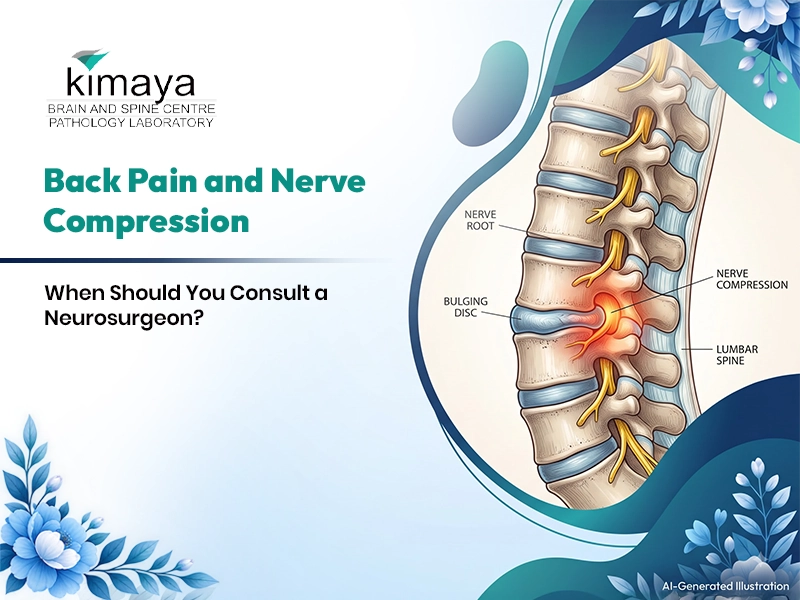
Back pain is a common health concern that can affect people of different age groups. In many cases, it improves with appropriate activity, medication, physiotherapy, and time. However, when back pain is accompanied by persistent numbness, tingling, muscle weakness, or pain travelling into the arms or legs, it may indicate an underlying spinal or nerve-related condition.
Conditions such as slipped discs, spinal stenosis, and nerve compression can affect the spinal nerves and, in some cases, the spinal cord. Understanding these conditions and recognizing warning signs can help patients seek appropriate medical evaluation.
Why Can Back Problems Cause Nerve Symptoms?
The spine supports the body and protects the spinal cord, which connects the brain with the nerves throughout the body. Nerves branch out from the spinal cord and carry signals responsible for movement and sensation.
Between the vertebrae are intervertebral discs that act as cushions and allow spinal movement. When a disc bulges or herniates, it may irritate or compress nearby nerves.
Depending on the location and severity of nerve involvement, symptoms may include:
- Back or neck pain.
- Pain travelling into an arm, shoulder, buttock, or leg.
- Tingling or numbness.
- Muscle weakness.
- Changes in sensation.
- Difficulty walking or maintaining balance.
Not all back pain indicates nerve compression. A clinical assessment helps identify the possible underlying cause.
What Is a Slipped Disc?
A slipped disc, medically known as a herniated or prolapsed disc, occurs when the inner material of an intervertebral disc protrudes through its outer layer.
A lumbar disc herniation may irritate a nerve in the lower back, causing pain that travels through the buttock and into the leg. This is commonly associated with sciatica.
A cervical disc herniation affects the neck and may produce pain, tingling, or numbness extending towards the shoulder, arm, or fingers.
Many patients improve with non-surgical treatment, including appropriate medication, physiotherapy, activity modification, and follow-up. Surgery may be considered in selected cases when symptoms persist or neurological function deteriorates.
What Is Sciatica?
Sciatica describes pain associated with irritation or compression of the sciatic nerve or its contributing nerve roots.
Common symptoms include:
- Shooting or burning pain from the lower back towards the leg.
- Tingling or numbness.
- Pain that increases with certain movements.
- Weakness in the affected leg or foot.
A lumbar disc herniation is one possible cause. However, other spinal and non-spinal conditions can produce similar symptoms. Persistent or worsening symptoms should be evaluated to establish the cause.
When Does Back Pain Require Neurosurgical Evaluation?
Most episodes of back pain do not require surgery or immediate neurosurgical consultation. However, specialist assessment may be appropriate when symptoms suggest nerve or spinal cord involvement.
Important symptoms include:
- Persistent numbness or tingling.
- Muscle weakness in the arms or legs.
- Pain radiating into an arm or leg.
- Progressive loss of sensation.
- Difficulty walking or maintaining balance.
- Symptoms that worsen despite appropriate treatment.
- Known spinal abnormalities associated with neurological symptoms.
A neurosurgical evaluation may include a review of medical history, neurological examination, and imaging investigations when clinically indicated.
Understanding Spinal Stenosis and Nerve Compression
Spinal stenosis refers to narrowing of the spaces within the spine, which can place pressure on the spinal cord or nerve roots.
It may develop due to age-related changes, disc degeneration, thickening of spinal ligaments, or bone overgrowth.
Symptoms depend on the affected spinal region. Lumbar spinal stenosis may cause back pain, leg discomfort, numbness, or difficulty walking longer distances. Some individuals experience relief when sitting or bending forward.
Cervical spinal stenosis may affect the spinal cord and cause hand coordination problems, balance difficulties, or weakness in the limbs.
Treatment depends on the severity of compression and its effect on neurological function.
When Is Back Pain a Medical Emergency?
Certain symptoms associated with back pain require immediate medical attention.
These include:
- New loss of bladder or bowel control.
- Difficulty passing urine or inability to empty the bladder.
- Numbness around the inner thighs, buttocks, or genital region.
- Sudden or rapidly progressing weakness in the legs.
- Severe neurological symptoms following an injury.
These symptoms may indicate serious nerve compression, including cauda equina syndrome, which requires urgent assessment.
Patients experiencing these warning signs should seek emergency medical care rather than wait for a routine appointment.
Does a Slipped Disc Always Require Surgery?
No. A slipped disc does not automatically require surgery.
Many patients improve with conservative treatment, depending on their symptoms and clinical findings. Treatment may include medication, physiotherapy, guided exercises, modification of activities, and regular follow-up.
Surgery may be considered when there is persistent disabling pain despite appropriate treatment, significant or progressive muscle weakness, or evidence of serious nerve compression.
The decision should be based on the patient’s symptoms, neurological examination, and imaging findings rather than an MRI report alone.
Why Is Clinical Examination Important?
MRI and CT scans help identify structural changes in the spine. However, disc bulges and age-related changes may also occur in people without significant symptoms.
A specialist therefore considers imaging findings alongside the patient’s medical history and physical examination.
Assessment may include muscle strength, reflexes, sensation, coordination, and walking pattern. This helps determine whether the identified spinal abnormality is likely to explain the symptoms and whether further investigation or treatment is necessary.
References and Medical Resources
- National Medical Commission (NMC), India – Professional Conduct Regulations and ethical standards for registered medical practitioners.
- National Institute for Health and Care Excellence (NICE) – Low Back Pain and Sciatica in Over 16s: Assessment and Management (NG59).
- National Institute of Neurological Disorders and Stroke (NINDS) – Low Back Pain.
- National Health Service (NHS) – Slipped Disc.
- World Health Organization (WHO) – Low Back Pain.

MMC REGISTRATION NUMBER
2005/01/0366
Medical content reviewer: Dr. Nihar S. Ingale, MBBS, DNB – Neurosurgery
Have Questions About Our Services?
Medical Disclaimer
This article is intended for general educational and informational purposes only. It does not replace professional medical advice, diagnosis, or treatment. Readers should consult a qualified medical practitioner for individual assessment and treatment recommendations. In case of severe or rapidly worsening neurological symptoms, seek immediate medical attention.
Frequently Asked Questions
When should I consult a neurosurgeon for back pain?
Consider specialist evaluation if back pain is accompanied by persistent numbness, tingling, muscle weakness, radiating pain, or difficulty walking. Sudden bladder or bowel dysfunction and numbness around the genital region require emergency medical assessment.
Can a slipped disc heal without surgery?
Yes. Many slipped discs improve with conservative treatment, including medication, physiotherapy, activity modification, and follow-up. Surgery is considered in selected cases depending on symptom severity and neurological findings.
Does sciatica always indicate a slipped disc?
No. Although lumbar disc herniation is a common cause of sciatica, spinal stenosis and other conditions can produce similar symptoms. Clinical evaluation helps identify the underlying cause.
Is an MRI necessary for every patient with back pain?
No. MRI is not routinely required for every episode of back pain. It may be recommended when there are neurological symptoms, concerning clinical findings, persistent symptoms despite appropriate treatment, or suspicion of a serious underlying condition.