EEG/ EMG/ NCV
EEG-ELECTROENCEPHALOGRAM
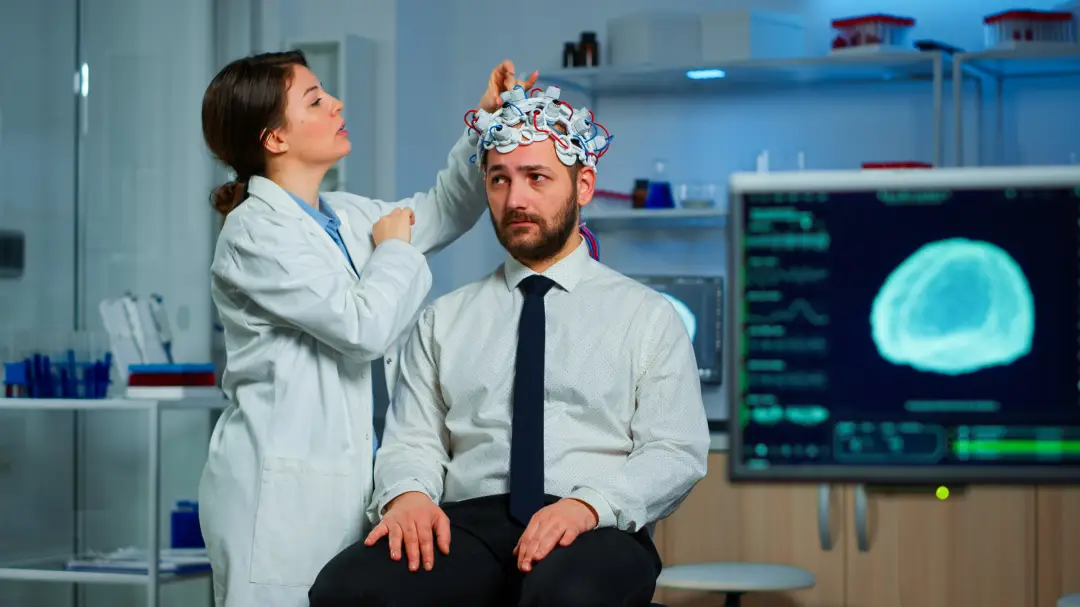
An EEG is a test used to evaluate the electrical activity in the brain. Brain cells communicate with each other through electrical impulses, An EEG can be used to help detect potential problems associated with this activity. An EEG tracks and records brain wave patterns. Small flat metal discs called electrodes are attached to the scalp with wires. The electrodes analyses the electrical impulses in the brain and send signals to a computer that records the results. These impulses allow doctors to quickly assess whether there are abnormal patterns. Any irregularities may be a sign of seizures or other brain disorder.
EMG (ELECTROMYOGRAM)
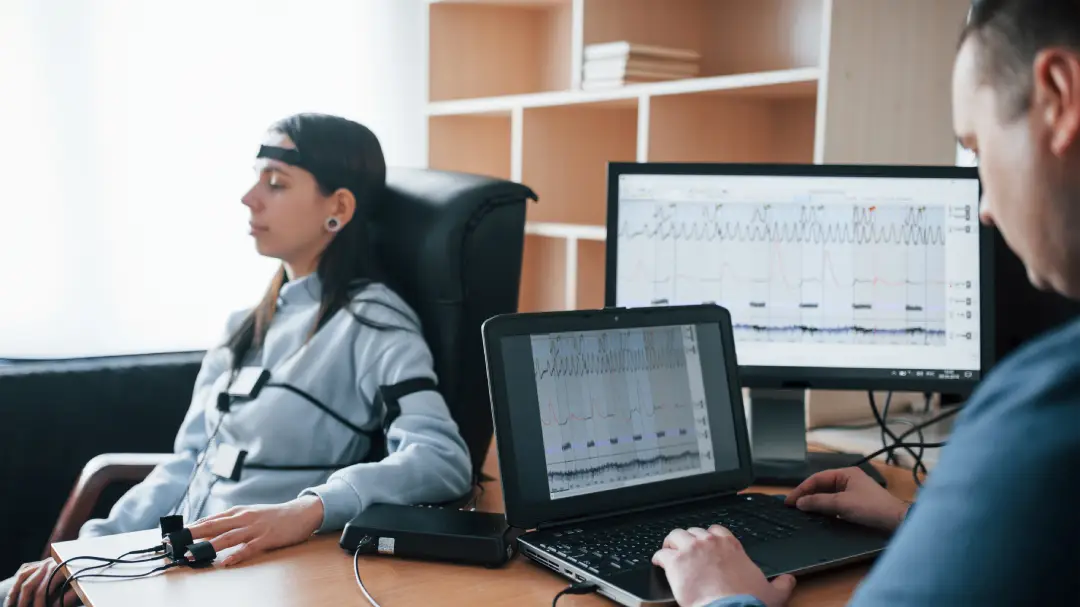
An EMG is a test used to record the electrical activity of muscles. When muscles are active, they produce an electrical current. The current is usually proportional to the level of the muscle activity. An EMG is also referred to as a myogram. EMG can be used to detect abnormal dystrophy, inflammation of muscles that can occur in many diseases and conditions, including inflammation of muscles, pinched nerves, damage to nerves in the arms and legs. An EMG is often performed when patients have unexplained muscle weakness. The EMG helps to distinguish between muscle conditions in which the problem begins in the muscle and muscle weakness due to nerve disorders. The EMG can also be used to detect true weakness, as opposed to weakness from a reduced use because of pain or lack of motivation.
NCV (Nerve Conduction Study)
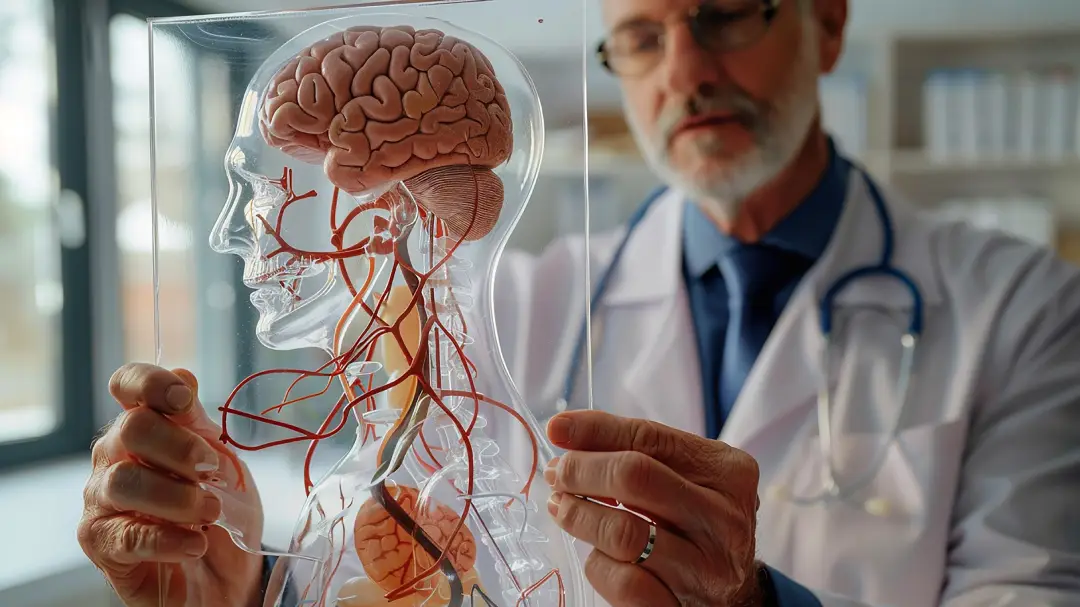
NCV is a medical diagnostic test commonly used to evaluate the function, especially the ability of electrical conduction of the motor and sensory nerves of the human body. NCV test is used to access nerve damage and dysfunction. Your peripheral nerves are located outside your brain and along your spinal cord. These nerves help you control your muscles and experience the senses. Healthy nerves send electrical signals more quickly and with greater strength than damaged nerves. The NCV test helps the doctor differentiate between an injury to the nerve fibre and an injury to the protective covering surrounding the nerve. It also helps your doctor tell the difference between a nerve disorder and a condition where a nerve injury has affected the muscles. Making these distinctions is important for proper diagnosis and determine your course of treatment
Expert Care for Your Brain & Spine Starts Here
Your neurological health deserves the right attention, expert guidance, and compassionate care. At Kimaya NeuroCare, Dr. Nihar Ingale and the team provide specialized care for brain, spine, and neurological conditions with a patient-focused approach.
From persistent headaches and dizziness to spine problems and complex neurological concerns — get the right medical guidance for your condition.
Frequently Asked Questions
1. What is an EEG test and when is it recommended?
An EEG (Electroencephalogram) records the electrical activity of the brain using small electrodes placed on the scalp. It may be recommended to evaluate abnormal brain-wave patterns and help doctors assess conditions such as seizures and other neurological disorders.
2. What is an EMG test used for?
An EMG (Electromyogram) measures the electrical activity of muscles. It may help evaluate unexplained muscle weakness, muscle disorders, inflammation, pinched nerves, or nerve damage affecting the arms and legs. It can also help doctors determine whether weakness is related to a muscle or nerve problem.
3. What is an NCV test and what does it detect?
NCV (Nerve Conduction Study) evaluates how effectively electrical signals travel through the body’s peripheral nerves. It can help identify nerve damage or dysfunction and assist doctors in distinguishing between different types of nerve and muscle-related problems.
4. Are EEG, EMG and NCV tests the same?
No. Each test evaluates a different aspect of the nervous or muscular system. EEG evaluates electrical activity in the brain, EMG assesses electrical activity in muscles, and NCV evaluates the conduction of electrical signals through nerves. Depending on your symptoms, a neurologist may recommend one or more of these tests.
5. Why might a doctor recommend EEG, EMG or NCV testing?
These diagnostic tests can provide important information about brain, nerve and muscle function. Depending on your symptoms and clinical examination, they may help doctors investigate concerns such as abnormal brain activity, muscle weakness, nerve damage, or nerve-related symptoms and support an appropriate diagnosis and treatment plan.